


Brent briefly hit $94 after Trump's statement on Iran
Brent prices briefly climbed to $94 after a statement by U.S. President Donald Trump that Washington no longer needs an agreement with Iran. Part of the gains were later lost.
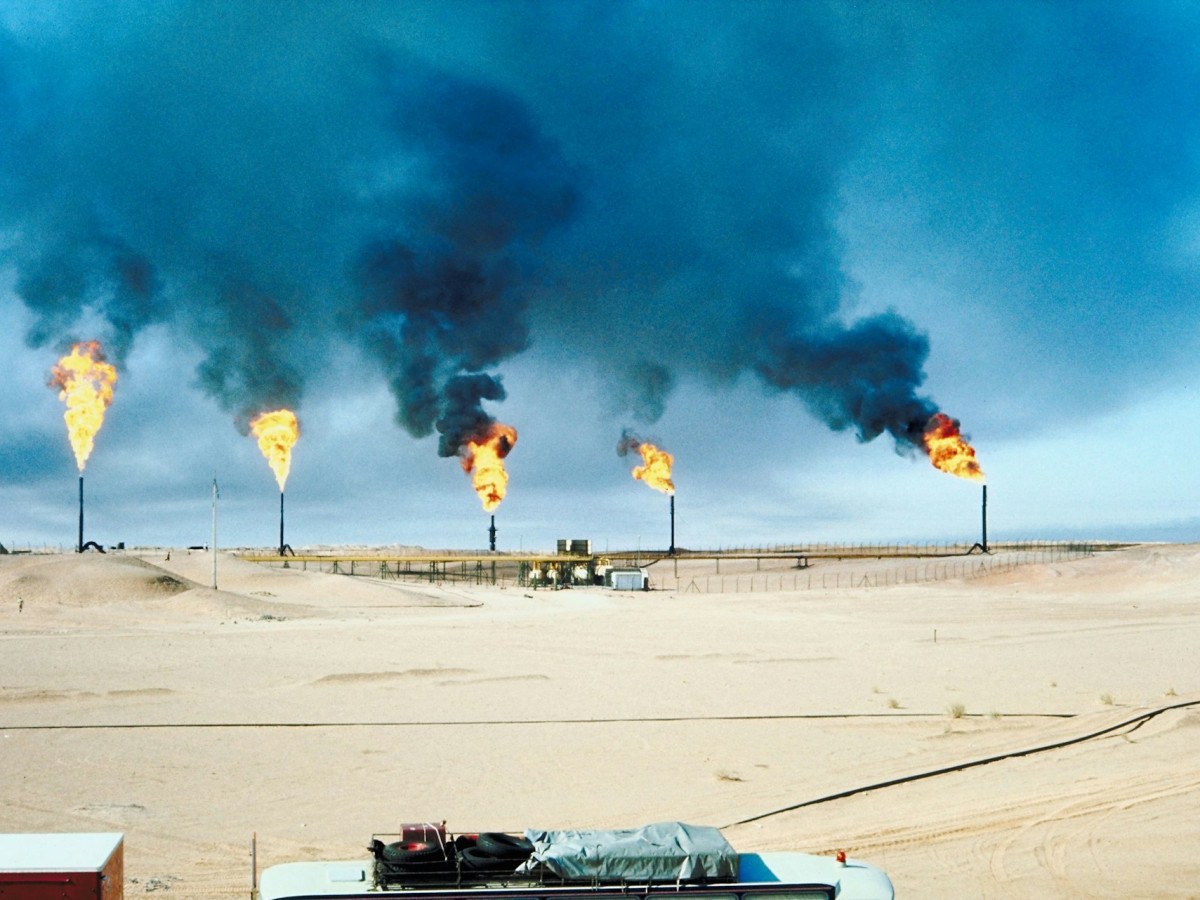
By late morning, Brent was trading near $94 per barrel, up roughly 1.1%. The market reacted to Trump's new statement following several signals about a possible end to the conflict and a diplomatic agreement with Iran.
On Monday, the U.S. president described the war as effectively over in military terms, allowed for a low probability of new strikes, and expressed optimism about ending the conflict. On November 2, Trump also stated that an agreement could be reached soon and that Iran wants to negotiate. Against this backdrop, Brent fell by about 25% from its October peak of $118 per barrel as traders reassessed the geopolitical risk premium.
On Thursday, Trump declared that the U.S. no longer needs an agreement with Iran and that Washington controls Iranian funds and the Strait of Hormuz. Meanwhile, Tehran has not demonstrated a willingness to soften its position. Mohsen Rezaei, Secretary of Iran's Supreme National Security Council, said the country will not export uranium-enriched materials outside its borders.

Iran also claimed that explosions damaged four tankers, including supertankers, over two days, allegedly for attempting to use unauthorized routes. There is no independent confirmation of these reports.
Meanwhile, Middle Eastern oil supplies have recovered. Saudi Arabia reported a 26% increase in production in October, while Iraq also ramped up output. Additional volumes are weighing on prices, but shipments still depend on alternative routes, ship-to-ship transfers, and military escorts. As a result, the physical availability of oil is improving faster than its transportation conditions, and futures remain sensitive to diplomatic statements and threats to tankers.