

Uzbekistan to Increase Output of 16 Types of Critical Raw Materials to $2.7 Billion by 2030
Shavkat Mirziyoyev reviewed projects in the critical raw materials and uranium sectors. By 2030, the output of 16 types of these materials is planned to exceed $2.7 billion.
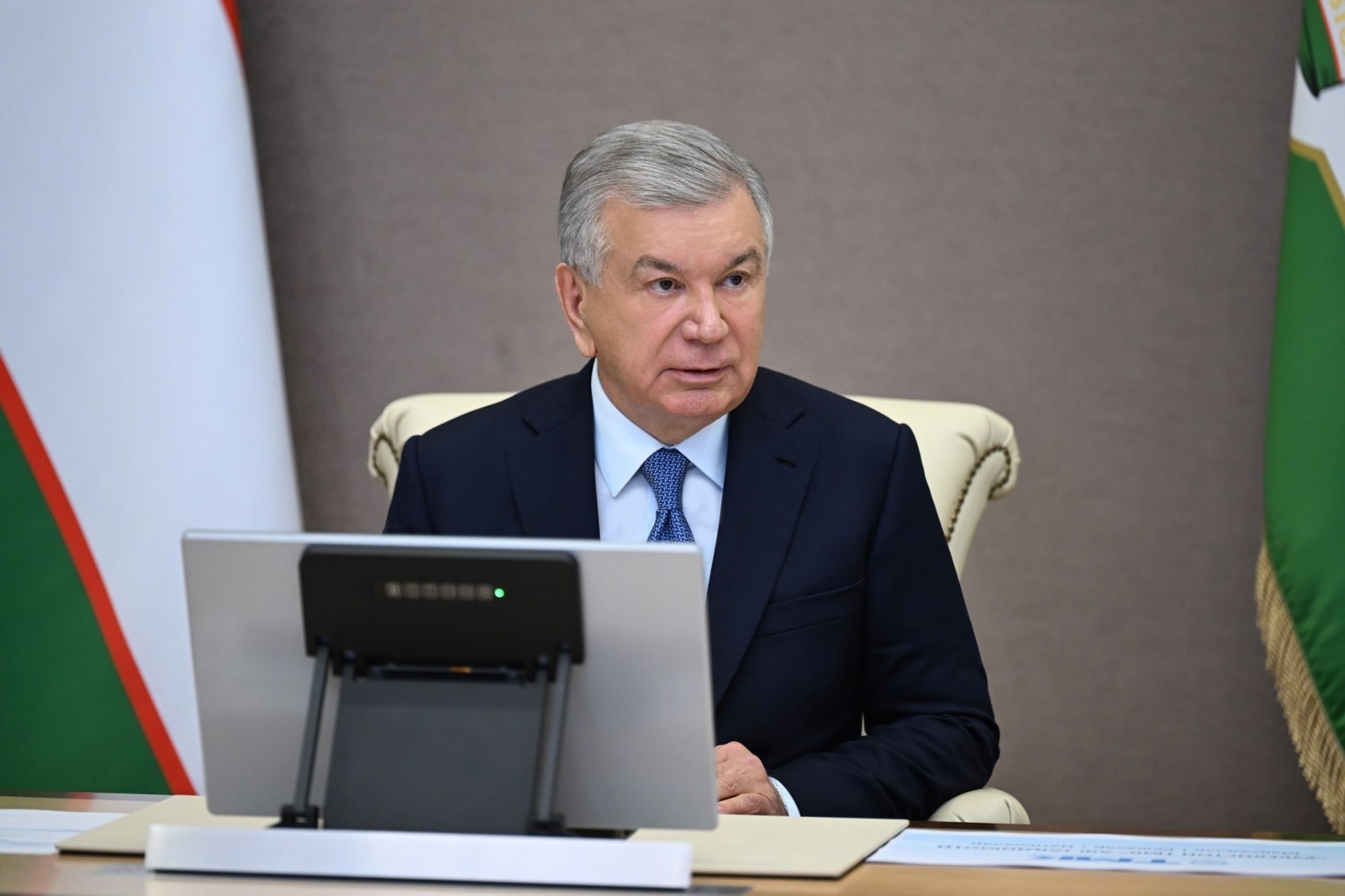
During the presentation, plans to increase the production of 16 types of critical raw materials in Uzbekistan were discussed. By 2030, the output is expected to exceed $2.7 billion. The development of the Uzbek Technological Metals Combine and the Navoiuran enterprise was discussed separately.
The Combine plans to increase the production of high-purity selenium and tellurium, as well as implement investment projects. The President instructed to master an additional 11 types of products and establish a full cycle—from exploration and extraction to enrichment, deep processing, and the production of finished goods.
Deep processing of tungsten was named among the priorities. $1.1 billion is planned to be allocated for relevant projects, aiming to increase the output value to nearly $2.2 billion by 2030. Plans for the development of deposits containing rare and rare-earth elements and the strengthening of the Combine’s raw material base were also presented.

According to the presented calculations, uranium extraction is expected to increase from 7,500 tons this year to 15,000 tons by 2030. Explored reserves are planned to reach 200,000 tons. To achieve this, geological exploration and technological drilling will be expanded, infrastructure will be modernized, additional sorption units will be installed, and 250 jobs will be created.
By the end of the decade, the share of reagents used instead of sulfuric acid is intended to increase to 40 percent. Responsible parties have been instructed to timely implement investment projects, strengthen the raw material base, and expand the production of high value-added products.