

China's Automotive Industry Grew by 0.9%, Domestic Sales Fell by 27.1%
In October, China's automotive industry added value increased by 0.9% year-on-year, while domestic sales of passenger vehicles declined by 27.1%. The decline was partially offset by exports.
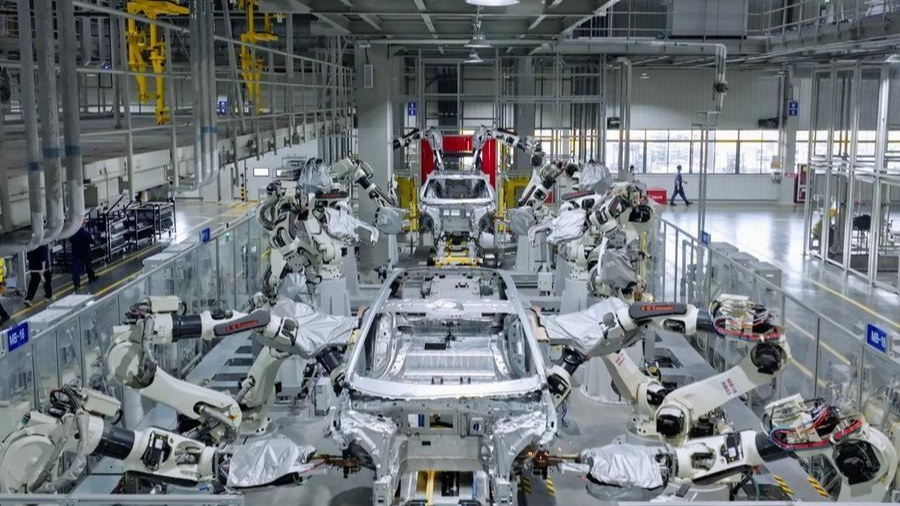
Official data shows that China's automobile production in October decreased by 7.7% year-on-year, although the added value of the automotive industry grew by 0.9%. These indicators reflect different processes: the first refers to the number of vehicles produced, while the second represents the economic value created by industry enterprises.
Against this backdrop, the production of vehicles powered by new energy sources, including electric vehicles and plug-in hybrids, increased by 17.1%. Their share in production grew amid a sharper decline in the output of internal combustion engine vehicles.
According to the China Passenger Car Association, domestic sales of passenger cars fell by 27.1% year-on-year. Sales of new energy vehicles (NEVs) also declined, but their market share reached a record level as demand for vehicles with other powertrains dropped more rapidly.

Exports helped manufacturers offset weak domestic demand. Shipments of passenger vehicles abroad, including knockdown kits for assembly outside China, rose by 68.5% year-on-year. NEV exports increased even more significantly.
The drop in demand followed a reduction in tax incentives for NEV purchases. Incentives remained in place but became less generous. The industry also expects that further export growth may slow due to trade barriers and stricter supply conditions in the European Union. According to industry association estimates, some overseas orders may have been shipped ahead of schedule.