


Housing Price Gap Between Urban and Rural Areas in Europe: Denmark at the Forefront
In Denmark, housing in urban centers is 64% more expensive than the national average, while outside cities, it is 51% cheaper. This represents the largest gap among countries with available data.
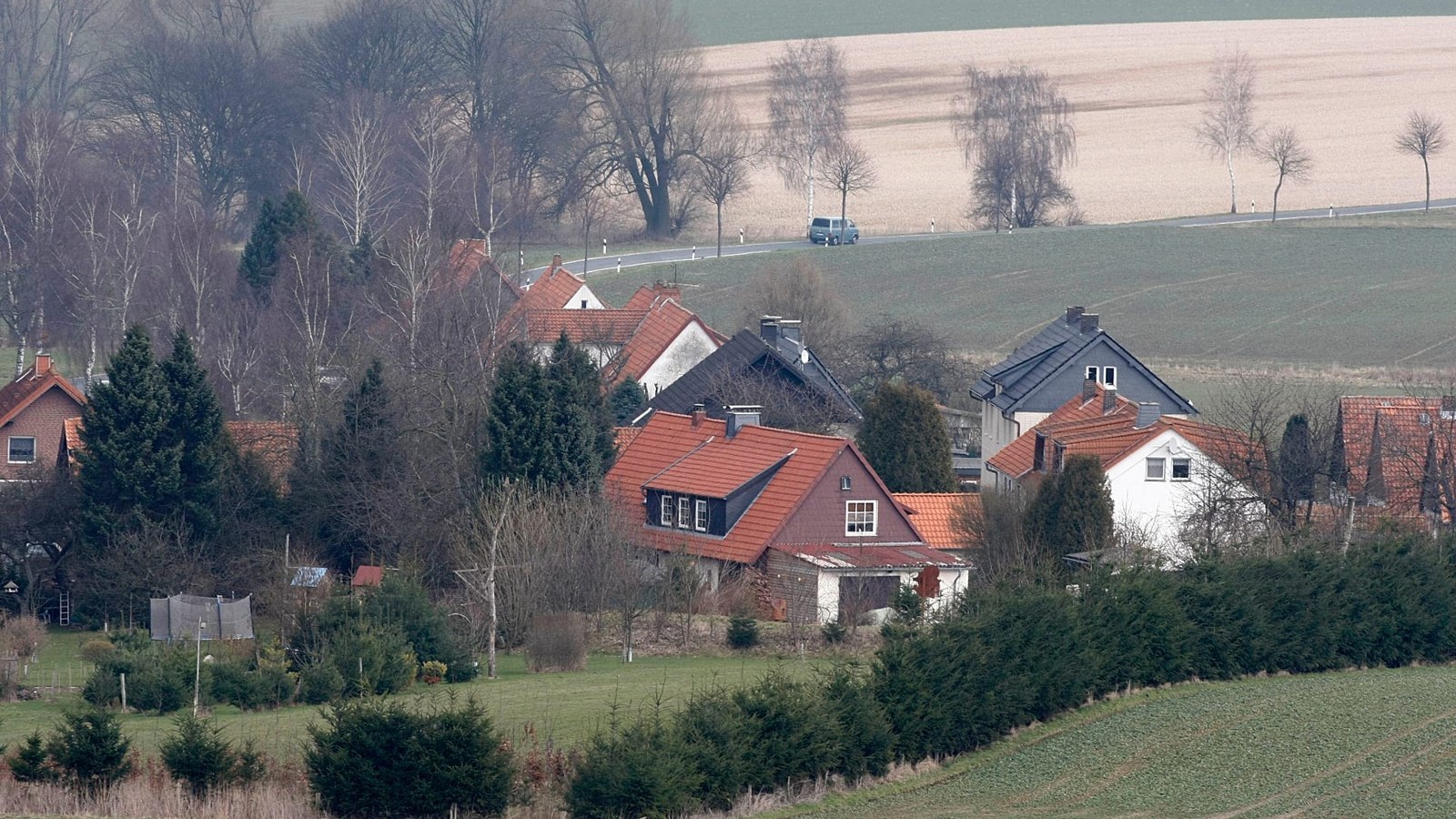
Calculations by Euronews Business based on an OECD report show that in 16 European countries, housing in urban centers is on average 31% more expensive than the national level. In suburbs, prices are on average 11% lower, and outside cities and suburban zones, they are 30% lower.
After Denmark, the most significant differences are observed in Hungary and Finland: urban housing there is 57% and 55% more expensive than the average, respectively, while outside cities, it is 45% and 44% cheaper. The smallest gap is recorded in the Netherlands and the United Kingdom: prices in cities are 1% and 4% higher than the average, while outside cities, they are 9% lower in both countries.
Professor Gabriel M. Ahlfeldt of Humboldt University of Berlin attributes the difference to the concentration of jobs, investments, universities, and services in cities. It is also influenced by transport connectivity and the speed of the housing supply's response to demand. A small gap does not guarantee affordability, as it may conceal regional disparities.
According to the OECD, in Germany, purchasing housing in Munich requires approximately 17 more years of disposable income than similar housing in Chemnitz. The price gap most severely impacts young buyers and renters, who do not benefit from the appreciation of already owned property.